Plugable USB2-MICRO-250X
A dependable USB microscope for coins, stamps, plants, circuit boards and classroom exploration on a computer.
- Up to 250x stated magnification
- 2MP USB camera
- Flexible observation stand
We reviewed manufacturer specifications, model identity and use-case fit across handheld, digital, stereo, compound and professional microscopes. Start by budget, then choose the optical system that actually matches the work.
Choose what you want to examine and your budget. The finder will return up to three suitable matches from the products reviewed on this site.
Handheld microscopes now sit in their own section so a $30 pocket tool is never presented as if it were comparable to a laboratory or professional stereo microscope.

A dependable USB microscope for coins, stamps, plants, circuit boards and classroom exploration on a computer.

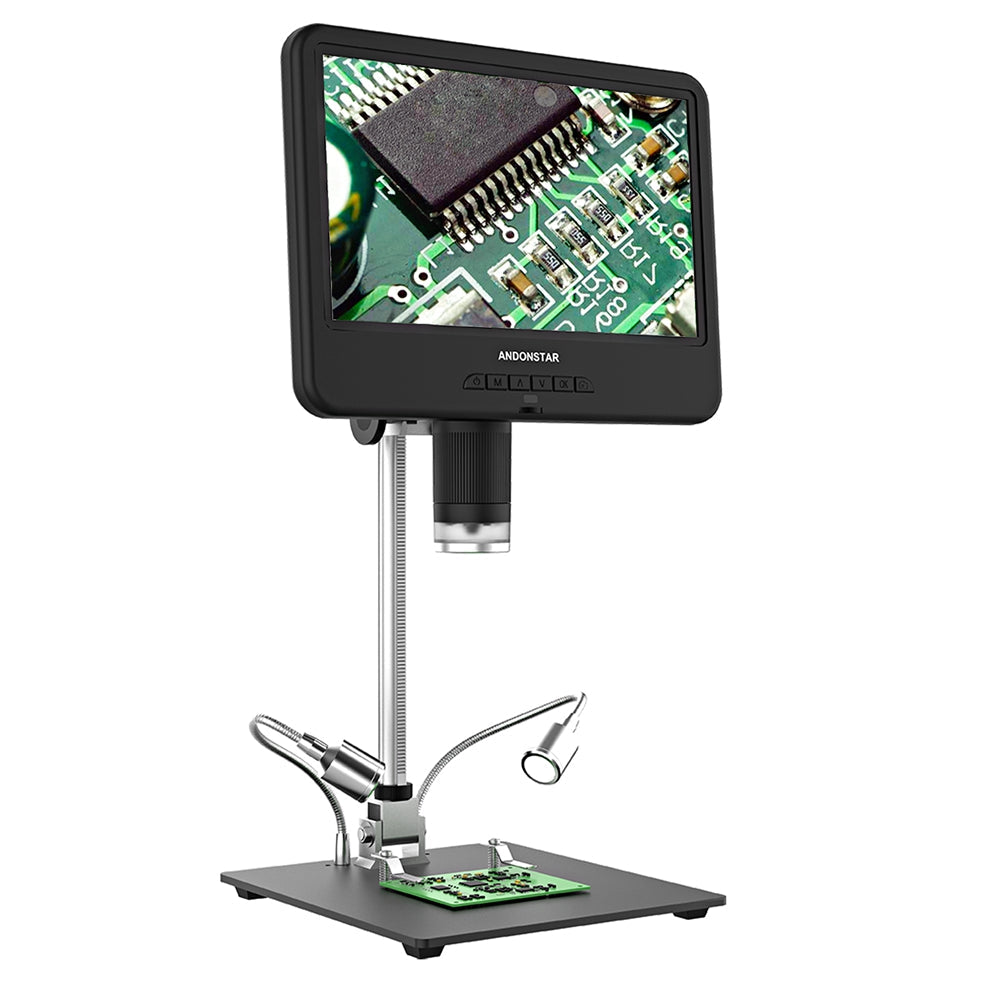
A versatile 10.1-inch screen microscope for soldering, coin inspection and simple biological slide viewing.

A popular seven-inch digital microscope for coin collecting, hobby inspection and occasional electronics work.

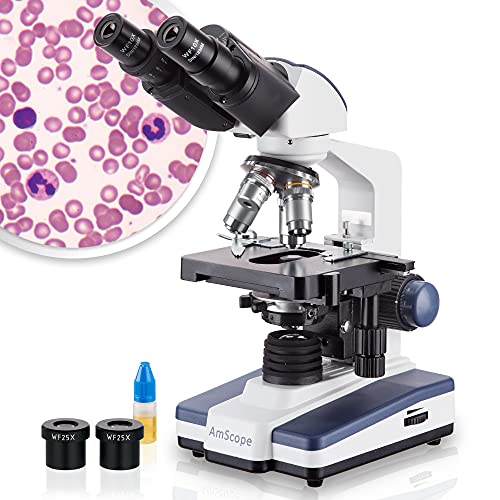
A traditional biological microscope with proper binocular optics, mechanical stage and oil-immersion capability. A better choice for slides than digital inspection scopes.

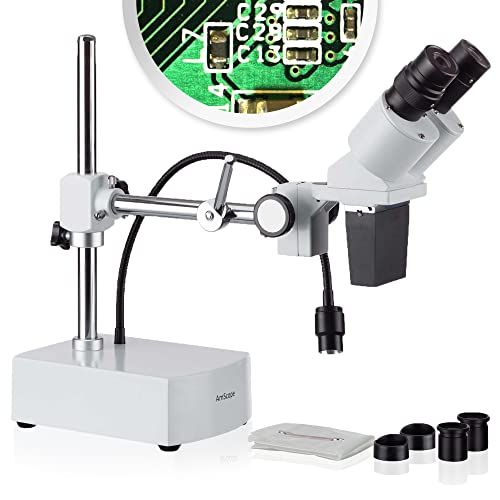
A true stereo microscope with unusually generous working distance. Excellent for hands-on repair where depth perception matters more than headline magnification.

A strong choice for serious students and hobby biologists who want a dedicated trinocular photo port without moving into professional lab pricing.

A traditional trinocular stereo option for buyers who need optical depth plus a route to camera documentation.

A long-running trinocular compound platform that is well suited to biology and documentation.

A current 40×–1000× LED trinocular compound microscope for biology, teaching and camera-ready documentation.

A current biology kit with a binocular compound microscope, 5MP USB camera, phone adapter, prepared-slide supplies and an exact Amazon product page.

A screen-output system for users who prefer working on a large external monitor rather than through eyepieces.

The premium stereo platform to beat for repair and QC work: strong ergonomics, a large working area, optical depth and a dedicated camera port.

The SM-4TZ platform packaged with a higher-resolution camera for teams that need both optical inspection and digital documentation.

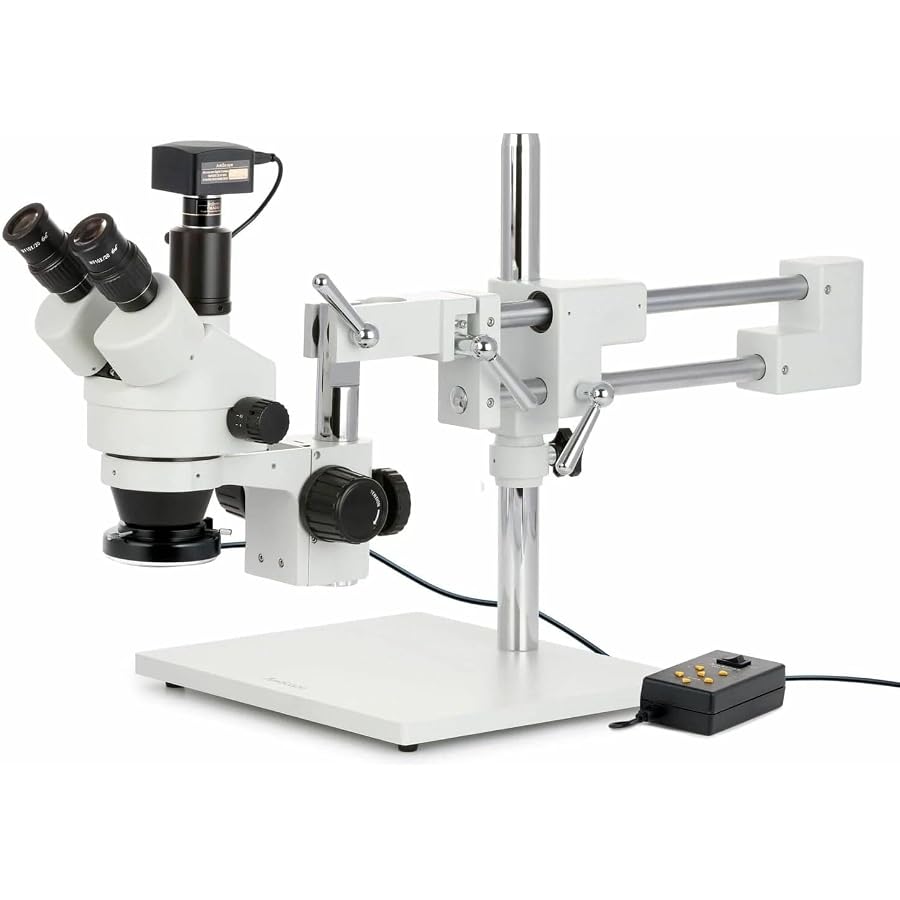
A current exact Amazon bundle combining AmScope’s professional trinocular stereo platform, 18MP USB 3.0 camera, four-zone LED light and double-arm boom stand.

A current exact Amazon-listed metallurgical microscope with polarized reflected light, transmitted light and a dedicated trinocular photo port.

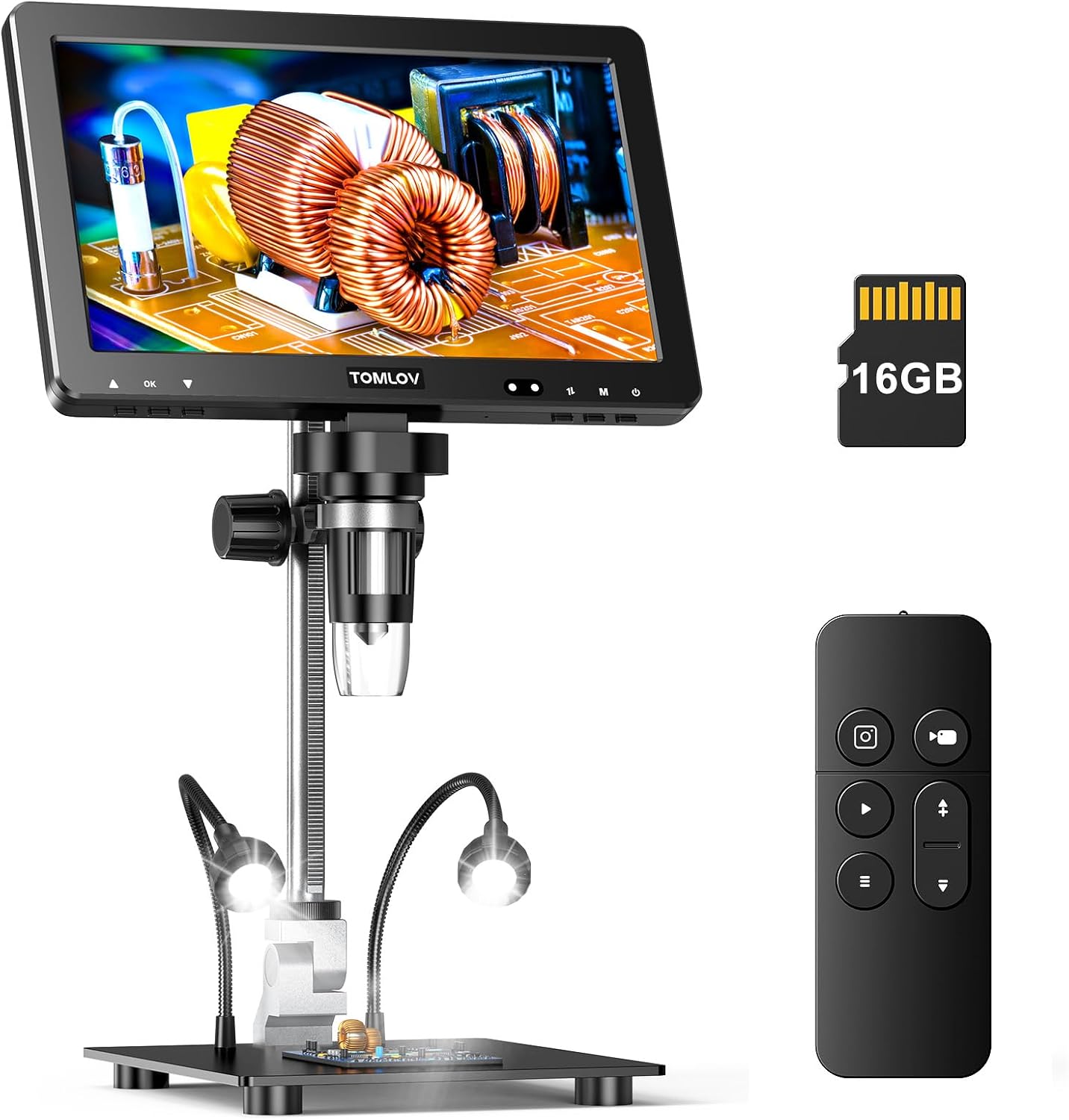
A high-volume budget LCD microscope worth considering when price matters more than brand pedigree.

A versatile three-lens digital microscope that covers more use cases than a single-lens soldering scope.

A portable wireless microscope aimed at casual inspection and phone-based use rather than precision bench work.

A larger-screen DM9 variant for users who value viewing comfort and a more substantial desktop setup.

A classic student/college compound microscope with proper binocular optics and a mechanical stage.

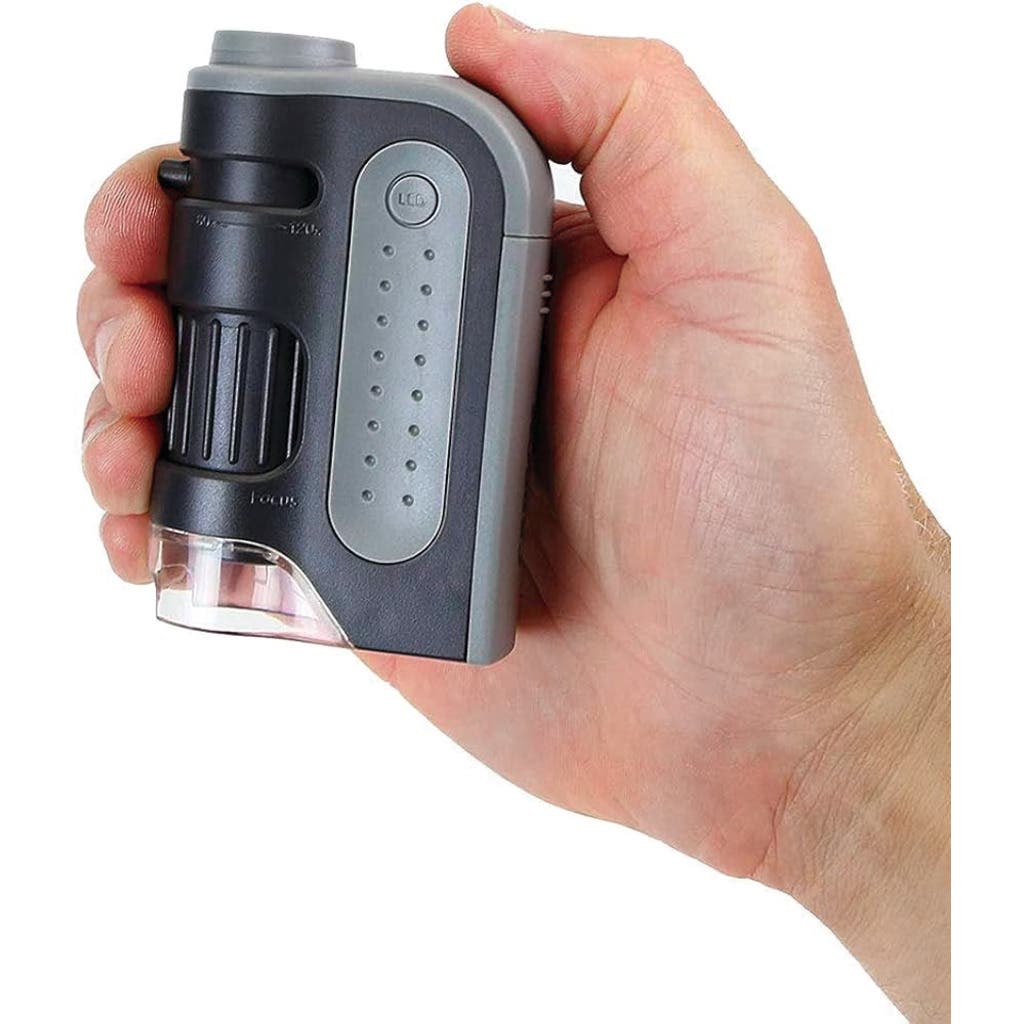
A genuinely pocketable 60×–120× optical microscope for STEM, nature and field observation, now linked to the exact single-microscope Amazon listing.

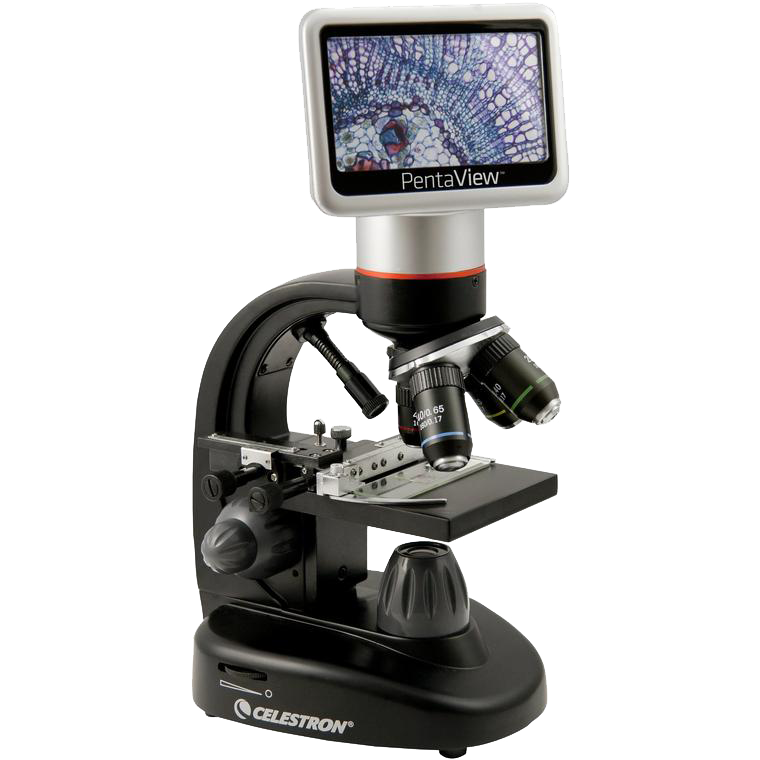
A premium all-in-one digital biological microscope with a built-in camera and touchscreen, useful when a computer-free workflow matters.

A branded, lightweight 100× pocket microscope with a two-inch screen for coins, jewelry, plants and field exploration.

A current branded inspection microscope with direct 1080p HDMI output, USB-C computer viewing and a stable adjustable stand.

A large-screen three-lens system that covers soldering, coin inspection and basic slide viewing in one package.
Use the “Add to compare” button on any review card above. Choose between two and four microscopes and your comparison will appear here automatically.
Search by topic or choose a guide section. Only the most relevant results are shown.
Best microscope for soldering and related buying advice.
Coin microscope and related buying advice.
Digital vs stereo microscope and related buying advice.
Student microscope and related buying advice.
Handheld microscope and related buying advice.
Microscope magnification and related buying advice.
Trinocular microscope and related buying advice.
Best microscope under 250 and related buying advice.
Microscope 250 500 and related buying advice.
Professional microscope and related buying advice.
Microscope for kids and related buying advice.
Microscope buying guide and related buying advice.
Choose the right camera connection, adapter and output for inspection, soldering or documentation.
A practical checklist for slides, cleaning, specimen preparation and image capture.
Choose a microscope for watch repair, movement inspection and watchmaking with enough working distance, stereo depth and glare control.
A practical guide to microscopes for jewelry inspection, hallmarks, prongs, stone settings, solder joints and repair documentation.
Choose a low-power microscope for stamps, paper money, perforations, printing dots, fibers and condition documentation.
Choose between stereo, digital and compound microscopes for insect identification, springtails, wings, mouthparts and tiny specimens.
Use a microscope to inspect plant pests, thrips, spider mites, aphids, eggs and leaf damage without confusing magnification with diagnosis.
Choose magnification, lighting and a mechanical stage for viewing pond-water algae, protozoa and other live microorganisms.
A cautious guide to microscope selection for aquarium skin scrapes, gill samples and suspected fish parasites, including key fit considerations.
Choose a compound microscope for mushroom spores, gill tissue and amateur mycology, including measurement and oil-immersion considerations.
Choose a microscope for observing soil and compost extracts while understanding the limits of home microbial identification.
Choose a real microscope for homeschool biology and match features, magnification and activities to elementary, middle and high school students.